By Anvil Roofing Co, Roofing Contractor Serving Ballwin and the St. Louis Metro
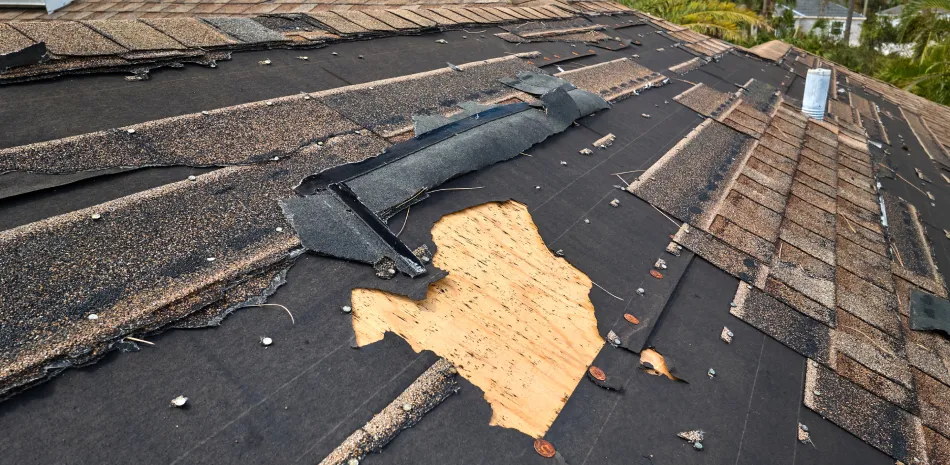
You’re deep into a real estate transaction. The inspection report comes back, and somewhere in the middle of it is a line about the roof: hail damage, curling shingles, a flashing issue, a water stain in the attic. Suddenly a deal that felt settled has a new variable in it.
This happens constantly in the St. Louis market, where hail and severe storm systems move through the region almost every season. Here’s what a general home inspector’s roof findings actually mean, and why the next call, to a roofing contractor rather than back to the negotiating table, usually saves both sides time and money.
What a General Home Inspector Actually Does on the Roof
It helps to understand the scope of a standard home inspection before reacting to what it finds. A general inspector’s job is broad by design: they’re checking the whole house in a few hours, from the foundation to the electrical panel to the roof. On most inspections, that means:
- A visual assessment, often from the ground or with binoculars, and not always a physical walk of the roof surface
- General condition notes rather than a materials-specific diagnosis
- No specialized training in a particular roofing system, manufacturer requirements, or storm-damage patterns
- A flag when something looks off, paired with a recommendation to “have a qualified roofing contractor evaluate”
That last point is the key one. A home inspector’s job isn’t to tell you whether a roof needs $400 in repairs or a full $18,000 replacement. It’s to tell you that something is worth a closer look. The inspection report doing its job correctly is exactly why it doesn’t answer the question everyone actually wants answered.
Breaking Down the Common Roof Findings
Hail Damage
Hail bruises show up as small dents or divots in asphalt shingles, sometimes with granule loss around the impact point. From the ground or in photos, hail damage can look anywhere from cosmetic to serious, and it’s genuinely hard to tell which without walking the roof and checking the mat beneath the granules. Hail impact can compromise a shingle’s ability to shed water even when it doesn’t look dramatic, which is exactly the kind of distinction a roofing-specific inspection is built to make.
Curling or Deteriorated Shingles
Shingles curl at the edges or corners as they age past their useful life, as the asphalt dries out, or as attic ventilation problems bake them from underneath. Curling is a visible sign of wear, but it doesn’t by itself say how many years are left. A roof with early-stage curling in a well-ventilated attic might have years of service left; the same curling paired with poor attic airflow can mean the whole roof is aging faster than its rated lifespan.
Flashing Problems
Flashing, the metal or sealant details around chimneys, vents, valleys, and roof-to-wall transitions, is one of the most common places a roof actually leaks, even when the shingle field looks fine. Inspectors often note flashing as a general concern because it’s visible and common, but diagnosing whether it’s a minor resealing job or a sign of a larger installation issue takes someone who works with flashing details daily.
Water Intrusion
A stain on a ceiling, a damp spot in the attic insulation, or visible water tracking on rafters is one of the findings buyers understandably react to the most. But water intrusion is a symptom, not a diagnosis. It can trace back to a roofing failure, but it can just as easily come from condensation, a plumbing vent leak, or an HVAC line, none of which a new roof would fix. Tracing the actual source is specialized work.
Soft Spots
A soft or spongy feel underfoot on the roof usually means water has been getting into the decking, the wood layer beneath the shingles, over time. This is one of the findings worth taking seriously, since decking damage affects both the cost and scope of any repair. It’s also one of the harder things to fully evaluate from a ground-level inspection.
Gutter and Drainage Issues
Clogged, sagging, or improperly pitched gutters don’t just affect curb appeal, they affect how water moves off the roof and away from the foundation. Poor drainage is frequently the root cause behind other findings on the list, including soft spots and water intrusion, which is why it’s worth evaluating alongside the roof itself rather than as an unrelated line item.
Why a Roofing-Specific Inspection Is the Next Step
A general home inspector gives you the right instinct: something here needs a second look. A roofing contractor’s inspection gives you the actual answer. The difference comes down to depth and specialization:
- Physical access. A roofing contractor typically walks the roof surface directly, not just observes it from the ground or a photo.
- Material-specific knowledge. Knowing what normal wear looks like for a given shingle brand, age, and installation style versus what indicates a real problem.
- Storm-damage experience. In a hail-prone region like St. Louis, distinguishing genuine hail impact from granule loss due to age is a skill built from seeing hundreds of roofs after storms, not a general skill set.
- A specific recommendation. Not “this should be looked at,” but repair, replace, or monitor, often with a remaining-life estimate attached.
This is also where the transaction timeline benefits. A vague inspection flag can stall a deal because neither side knows the real cost or urgency. A roofing contractor’s written findings give both sides a number to negotiate around instead of a guess.
What Buyers Should Do
- Don’t treat every roof flag as a deal-breaker. Many findings turn out to be minor, cosmetic, or already accounted for in the price.
- Request a roofing-specific inspection before the option period or contingency deadline closes. This gives you an actual repair estimate to work with, not just a concern.
- Use the findings to negotiate specifically. A documented repair or replacement estimate is a much stronger negotiating position than “the inspector mentioned the roof.”
- Ask about remaining life, not just current condition. A roof that passes today but has three years left changes how you think about the purchase differently than one with fifteen years left.
What Sellers Should Do
- Consider a pre-listing roof inspection. Finding out about a flashing issue or early shingle wear before a buyer’s inspection does gives you time to address it on your terms and timeline, rather than under negotiation pressure.
- Keep documentation of any past roof work, repairs, or maintenance. A roof with a documented history is a very different conversation with a buyer, or a buyer’s inspector, than a roof with no paper trail at all.
- Get ahead of storm-damage questions if the home is in an area with known hail history. St. Louis buyers are increasingly savvy about asking whether hail damage has ever been assessed or repaired, and having that answer ready avoids a scramble mid-contract.
- Address genuinely minor issues before listing. A small flashing reseal or gutter fix is far cheaper handled proactively than negotiated as a credit against the sale price.
The Bottom Line
A home inspector flagging a roof issue isn’t a verdict, it’s a referral. The real answer, repair, replace, or simply monitor, comes from someone who inspects roofs for a living, not houses in general. For a transaction with a deadline attached, getting that answer quickly is what keeps the deal, and the roof, from becoming the sticking point.
Buying or selling in the St. Louis area and need a roofing-specific inspection to settle what a general inspection flagged? Anvil Roofing Co can typically turn around a written assessment fast enough to work within real estate contingency timelines.
Roofing Contractor Ballwin, MO | 2 Year Workmanship Warranty
Frequently Asked Questions
How fast can a roofing inspection happen during a real estate transaction? Most roofing contractors can prioritize real estate-related inspections given the tight timelines involved, often within a few days. When scheduling, mention the contingency or option period deadline so it can be worked into the schedule accordingly.
Does a roofing contractor’s inspection cost money, and who pays for it? This varies by contractor and situation. In many cases either the buyer or seller covers the cost directly, though it’s sometimes negotiated as part of the transaction. Ask upfront what’s included in the inspection and whether the cost applies toward any resulting repair work.
What if the roofing contractor and the home inspector disagree? This isn’t unusual, since they’re evaluating different levels of detail. The roofing contractor’s assessment is generally treated as the more authoritative word specifically on the roof, since it comes from direct, close-up evaluation rather than a general visual pass.
Can hail damage be missed by a general home inspector? Yes. Hail damage can be subtle, especially on certain shingle colors or granule patterns, and a ground-level or brief visual inspection can miss it entirely, or conversely flag normal wear as possible hail impact. This is one of the most common reasons for a follow-up roofing-specific inspection in storm-prone regions like St. Louis.
Should sellers get a roof inspection even if nothing looks wrong? It’s a reasonable precaution, particularly for roofs approaching or past the 10 year mark, which is also when many homeowners insurance carriers begin scrutinizing roof age at renewal. A clean pre-listing inspection report can also be a selling point, not just a risk-avoidance step.